Picky eaters
The baby who ate puréed fish and avocado now wants plain pasta, no sauce, same shape every time. It is so common it is practically a stage of its own.
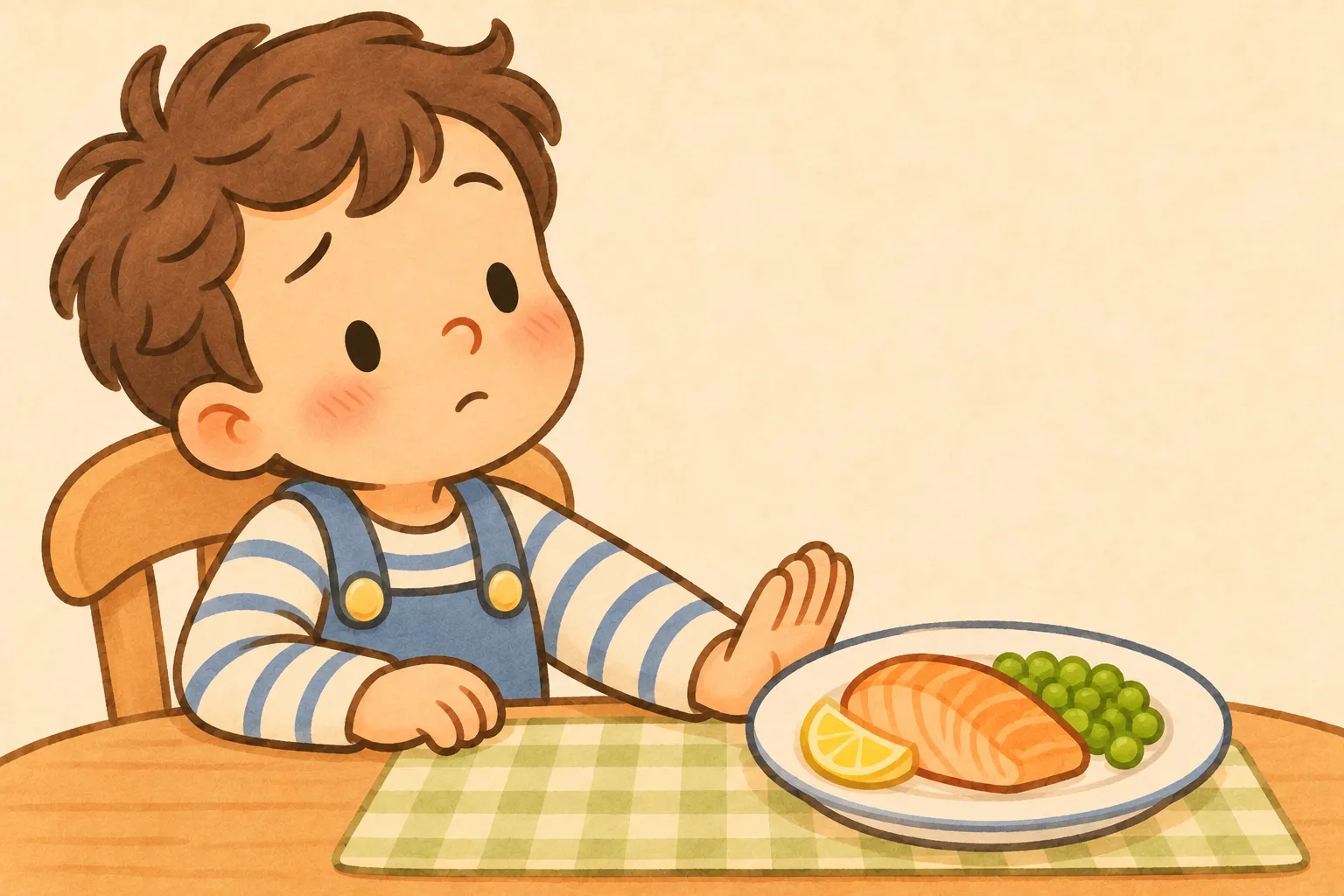
At one, the baby ate puréed fish, avocado and anything else that came towards them on a spoon. At three, the same child eats pasta. Plain. Ideally the same shape every time, and nothing may touch anything else on the plate.
A lot of parents recognise that story, and a lot of them assume they have done something wrong. They usually have not. What is happening is common enough that there is a word for it: food neophobia, a fear of new food. It tends to appear around the age of two, is often at its strongest somewhere between two and six, and fades for most children as they move through school.
Why now?
There is a reasonable explanation. A child who has just learnt to walk can suddenly get a long way from the grown-ups and put things in their mouth that nobody has checked. Being suspicious of the unfamiliar is a sensible instinct at that point. Familiar food has been eaten before without anything going wrong. Unfamiliar food is a gamble.
Taste plays a part as well. Children are born with a liking for sweet things, and most are more alert to bitterness than adults. Plenty of vegetables are slightly bitter, especially the green ones. When a grown-up finds broccoli mild, a child may be tasting something quite different.
Then there is texture, which adults tend to forget about. A tomato is a firm skin, then slippery jelly, then seeds. That is three things at once, and none of them is predictable. Cautious children often like food that is the same every time: pasta, rice, bread, pancakes. It is no accident that the picky years so often turn beige.
How it looks from the other side of the table
Try seeing dinner through a four-year-old’s eyes. The gravy has run into the potatoes, and now the potatoes are not what they were. The meatballs have a brown crust. The carrot is boiled and soft, not crunchy like the one in the lunchbox. Everything smells strongly, and it is late in the day.
What the child refuses is often not the food itself but the unpredictability. That is why splitting things up helps so often. Sauce in its own bowl. The meat patties on one side, potatoes on the other. Not for ever, but as a way in.
It is also worth knowing that many children are pickier in the evening. A five-year-old who has been at nursery since half past seven has used up a fair amount of courage before dinner. Breakfast and the afternoon snack can be better moments for something new.
Picky, or just young?
The word picky does something to us. It suggests a fixed trait. But most children who get called picky are simply young and careful.
Children also hear what we say about them. “She’s so fussy” at Granny’s table quickly becomes something the child believes about herself, and something to live up to. Try “he hasn’t got to know that one yet”. It is more accurate, and it leaves the door open.
Familiar food as an anchor
Some of the safest dishes in a Norwegian kitchen make good anchors. Porridge is the same every morning. Almost everyone likes pancakes. Bread with brown cheese, the sweet, caramel-coloured cheese Norwegians slice onto everything, is predictable enough that many children take it in their packed lunch week after week.
Use the anchors. Not by taking them away, but by putting something new right beside them. A slice of apple next to the porridge. A few blueberries on the side of the pancakes, not on top. A cucumber stick in the lunchbox next to the brown cheese sandwich. Nobody has to eat it. It just gets to be there.
Dinners with separate parts are good for this too. Spaghetti bolognese can be served with the spaghetti in one heap and the sauce next to it, and a child who eats only the spaghetti today has still sat next to the sauce. Next time it might be a spoonful. That is how it goes.
When dinner is a Norwegian classic
Some traditional dinners are particularly hard for cautious children, and it helps to know why. Fish balls in white sauce are soft, smooth and slightly spongy, and the sauce covers everything. For many Norwegian adults it is comfort food from childhood. For a wary four-year-old it is a plate where nothing has edges.
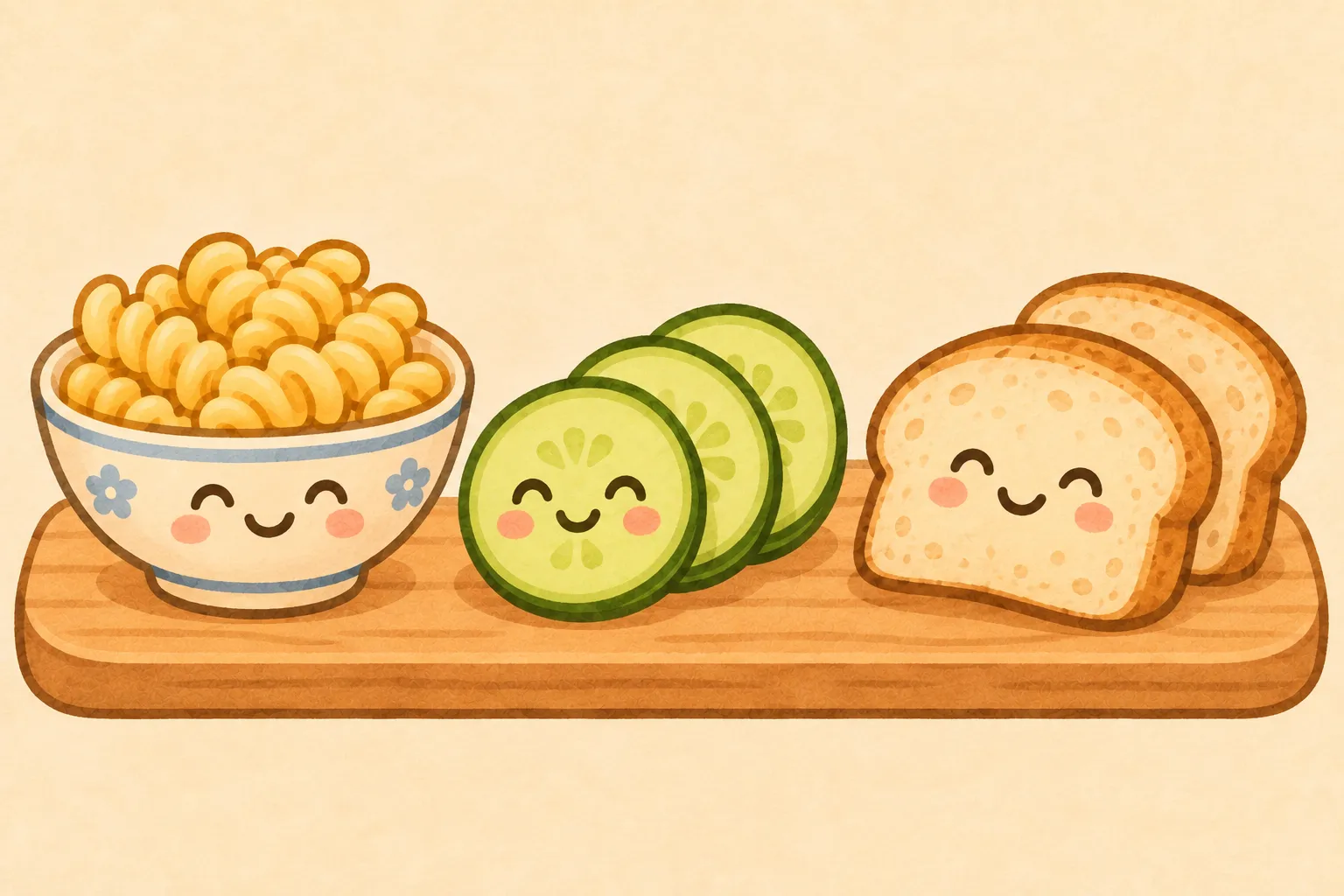
Put the sauce on the side. Cut a fish ball in half so your child can see it is white and the same all the way through. Add a carrot. Small changes that make the food less unknown without turning it into a different dish.
At the grandparents’
Grandparents often grew up eating what was put in front of them. Many still carry a bit of “no pudding until your plate is clean” without thinking about it. It is not meant unkindly.
It can help to tell them what you do at home, briefly and kindly: in our house tasting is enough, and we praise the bravery. Plenty of grandparents are happy to be given a job, and they are often very good at tasting things themselves with great seriousness and a bit of theatre. That is a good swap for counting bites.
At nursery
Many children who are picky at home taste more at nursery. They watch the others eat, and nobody there is invested in this particular child’s dinner. That is good news. Ask the staff what your child has tasted, and try the same at home. A fish pie that has been eaten at nursery is one your child has already met.
What actually helps
The short answer is patience and a lot of tastes. Many children need eight to fifteen encounters with a new food before it feels familiar, and some need more. There is more on that in How many times does a child need to taste?
Splitting the job helps as well: you decide what is served and when, your child decides whether to have some and how much. Pressure backfires. It turns food into a contest, and a cautious child becomes more cautious in a contest. And eat the food yourself, at the same table. Your child learns more from watching you taste than from listening to you explain.
The practical steps are in How to get children to try new foods.
When it is more than the usual
Most picky children eat enough of the food they like, grow well and slowly become braver. Some find it harder. If your child eats very few foods, if the list gets shorter instead of longer, if many textures make them gag, or if you are worried about how they are growing, your child health clinic or GP is a good place to start. You do not need to wait until it is serious. Wondering is reason enough.
Mumse
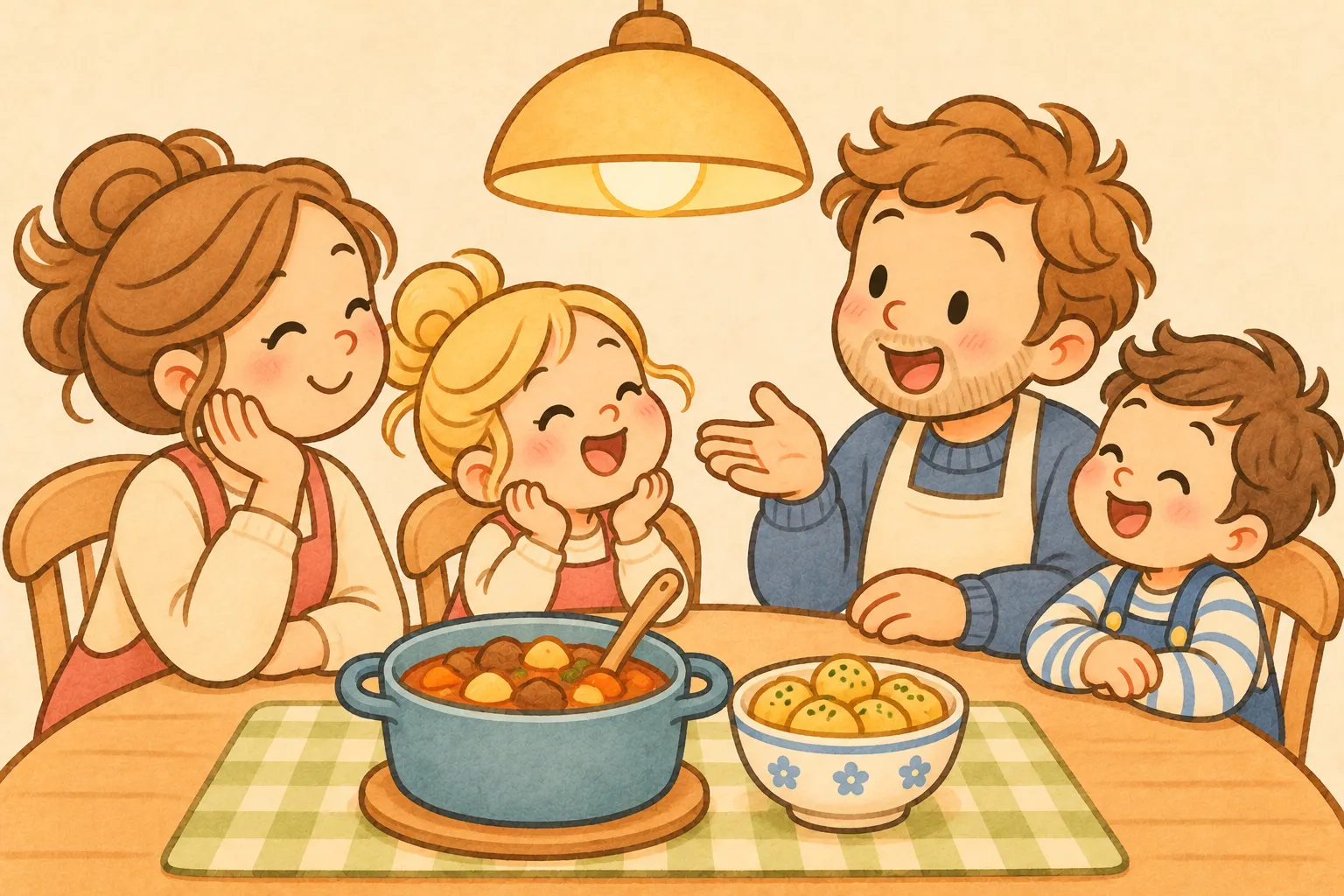
In Mumse it is the courage that counts, not the food. Your child earns a star for every brave bite, including the days it was only a tiny lick.
 Porridge
 Pancakes
 Spaghetti bolognese
 Rice
 Tomato
 Broccoli
 Meat patties
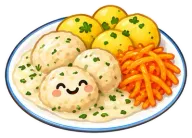 Fish balls in white sauce
 Bread with brown cheese