Packed lunch
The packed lunch is the one meal you make without watching your child eat it. It has spent hours in a bag, and it doesn't taste quite the way it did on the kitchen counter.
- Taste
- mild
- Texture
- soft, dry



Read aloud to your child
A packed lunch is the food you take in your bag to school or on a trip. Often it is bread slices with a topping, wrapped in paper or put in a box. It is fun to open it and see what is hiding inside. It is often eaten outdoors, and everything tastes a little extra good.
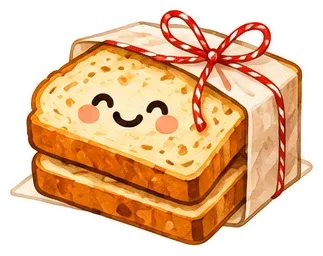
The Norwegian matpakke is a fairly particular thing. A few open slices of bread, each with butter and one topping, stacked with a sheet of paper between them and wrapped in greaseproof paper or put in a box. Cheese, brown cheese, liver pâté, jam. It goes in the bag in the morning and is eaten hours later, cold, often in a hurry, next to someone who has something else.
It is everyday food in Norway. It is also an unusual way to eat, and it helps to think about what happens to food on the way.
Food that has waited
Bread that has sat for a few hours is not the same bread. The slices soften, and moisture from the toppings soaks in. A slice with cucumber or jam can be soggy in the middle by lunchtime. Cheese goes soft and slightly shiny. Pâté warms up.
Some children never notice. Others do, and that can be enough for the slice to stay in the box.
There are simple fixes. Put the juicy things in their own small tub, so your child can add them. Butter right to the edges, so the topping doesn’t soak straight into the bread. Or use crispbread, which doesn’t go soft in the same way.
Paper between the slices
The sheet of paper between the slices is what keeps them apart. Each one can be lifted off on its own, and one topping doesn’t taste of the next.
For a child who hates foods touching, that matters. The brown cheese should not taste of liver pâté.
Pack it together
Let your child help make their lunch. The evening before is often calmer than the morning. They choose from what is on the table, spread it themselves and put the paper in between.
That gives them something to look forward to. They know what is in there. And food a child chose is more likely to be eaten.
It doesn’t mean they decide everything. Put out three toppings to choose from. That is plenty of choice for most children.
What comes back
A lunch that comes home untouched is an answer. What it means isn’t always clear. Maybe there wasn’t time. Maybe there was too much playing. Maybe the bread was soggy, or the topping wrong.
Ask calmly. Don’t scold, and don’t put the same slice back in tomorrow. Just notice what comes back and what is gone. After a few weeks there is often a pattern.
Something new in the box
It is tempting to use the lunchbox for new tastes. Your child is hungry, and you are not there to hover. But that is also what makes it hard. A child who is unsure about something has no one to ask, and no one sees them taste it.
New foods are usually easier at home first. Once they are familiar, they can move into the lunchbox. A few veggie sticks or a clementine beside the bread are an easy start, because they survive the bag and are simple to eat with fingers.
Outdoors
A packed lunch on a walk is different from a packed lunch at a table. Outside, on a rock or a tree stump, hungry after walking, most things taste better. It is a good place for a slice of wholemeal bread your child usually calls boring.
There is more on children who eat very little of what they get in picky eaters.
In Mumse, packed lunch is listed under breakfast and spreads. Your child can earn a star for tasting something from it, even when the tasting happened in the woods and the star comes later. About Mumse.
 Veggie sticks
 Bread with cheese
 Milk
 Green grapes
 Banana