Lingonberry
Lingonberries are the sourest berry most Norwegian children ever meet. On their own they make nearly everyone wrinkle their nose. Stirred with sugar and served next to meatballs, they are something else entirely.
- Taste
- tangy, bitter, sweet
- Texture
- juicy, smooth



Read aloud to your child
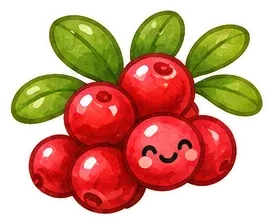
Lingonberries are tiny, bright red berries that grow on low green bushes in the forest. They are quite sour on their own, so people often eat them with something sweet or as jam. Each berry is shiny and round, like a little red pearl. Did you know the bushes keep their green leaves all winter? See if your nose wrinkles a little.
Yes, they’re sour
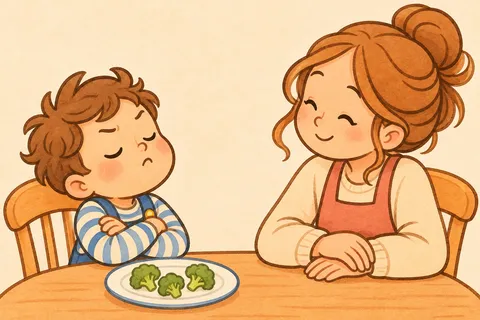
No point pretending otherwise. A raw lingonberry is sour, a touch bitter, and makes most people squint, adults included. A child who tastes one and shudders hasn’t done anything wrong. They’ve noticed exactly what a lingonberry tastes like.
That is actually a decent place to start. Sour is its own taste, and lots of children enjoy feeling it, as long as no one expects them to like it.

Sour faces
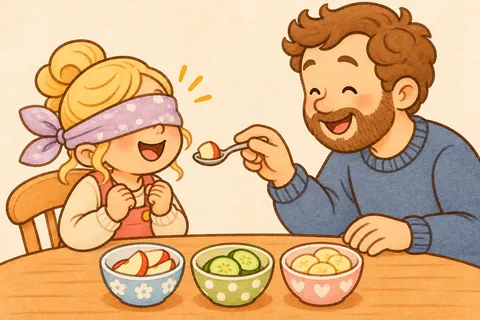
Turn it into a game. Everyone takes one lingonberry and then you look at each other. Who wrinkles their nose most? Take a photo, or look in the mirror. Children who are nervous about new food often dare more when reacting is allowed.
Afterwards, try the same berry stirred with sugar. Still sour, but sweet too. Ask your child: what’s different?
Berries in the heather
Lingonberries grow on low shrubs in Nordic forests, often in dry, bright spots with pine and moss. The shrubs stay green all year, with small, glossy, leathery leaves. The berries ripen from late August into the autumn and hang in little clusters.
They are good berries for children to pick, because they hold on tight and don’t squash as easily as blueberries or raspberries. A child who has picked a cupful is often curious about what they will turn into.
Stirred lingonberries
The simplest and most Norwegian thing to do is stir lingonberries with sugar. No cooking. Berries and sugar go into a bowl and get stirred until the sugar dissolves, then into the fridge. Lingonberries contain natural substances that help them keep, which is how families stored them through the winter for hundreds of years.
Let your child do the stirring. It’s a good job: the berries pop, the sugar crunches, and slowly it turns into a shiny red mass.
Next to dinner
Stirred lingonberries belong next to meatballs in brown gravy, game stew and elk burgers. The sharpness cuts through the rich, salty food. That’s how most Norwegian children meet them, and it is often easier than tasting them alone.
Some ways to get started:
- A small spoonful on the edge of the plate. Not on the food, beside it. Your child decides whether to dip.
- One bite of meatball with lingonberry. One bite, not all of them.
- Lingonberries on pancakes. Sweet pancake and sour berry go well together, and many children who refuse them at dinner are happy here.
- Trollkrem. An old Norwegian dessert where lingonberries are whisked with sugar and egg white into a pale pink, airy cream. Ask your health visitor about raw egg white for little ones, or use pasteurised.
The bowl stays on the table
Plenty of people only come round to lingonberries when they are much older. That is fine. Put the bowl on the table when you have meatballs, help yourself and leave it there. It is part of the meal whether or not your child takes any.
If your child tried one berry and shuddered, that was brave. In Mumse it earns a star, and a sour face counts just as much as a smile.
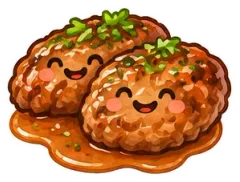 Meat patties
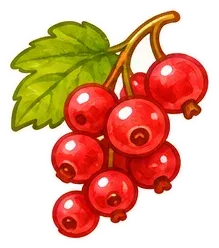 Redcurrant
 Meatballs
 Gravy
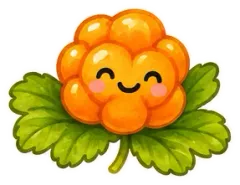 Cloudberries
 Pancakes