Flatbread
Norwegian flatbread is so thin you can almost see through it, and so dry it keeps for months. It shatters into flakes and gets crumbs over the whole table.
- Taste
- mild
- Texture
- crunchy, dry



Read aloud to your child
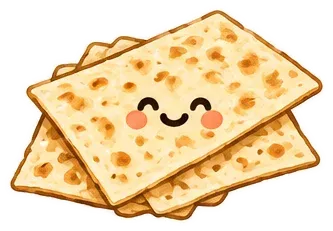
Flatbread is a thin, dry, crisp bread baked flat on a hot stone or griddle. It is made of flour and water, and it smells a little of toasted grain. It snaps and crumbles when you bite it. People in Norway have baked it for hundreds of years.
Flatbread means many things around the world: naan, pitta, tortillas. The Norwegian kind, flatbrød, is none of those. It is not soft and it is not for wrapping. It is a large, paper-thin sheet of baked dough, dry and brittle, sold in boxes and broken into pieces at the table.
Hold one up to the window and light comes through. Bend it and it cracks. Bite it and there are flakes in your lap, on the floor and in your hair.
Flour, water and a griddle
Flatbrød is bread without yeast. Flour, water and a little salt make a dough that is rolled as thin as it will go and baked on a hot griddle until completely dry. That is all.
The flour has varied. In the past people used whatever grain they grew, often barley and oats, frequently mixed with rye, boiled potato or pea flour. Today there are many kinds in Norwegian shops, pale and dark.
Because almost all the water is baked out, it keeps for a long time. It could be baked in large batches and stored. That is a good picture for a child: bread made to last.

The noise
Flatbrød crunches differently from crispbread. Crispbread snaps into firm pieces. Flatbrød splinters into thin flakes. The sound is higher and sharper.
That can be a game in itself. Close your eyes and listen. A child who has bitten into flatbread, crispbread and a rice cake can often hear the difference. There are more games like this in tasting games.
The crumbs
It is impossible to eat flatbrød without crumbs. That is worth saying out loud before you start. The crumbs are part of it.
For a child who dislikes getting messy, that can be hard. Put a plate underneath. Break the sheet into small pieces first, so each one is a single mouthful. There will still be crumbs, just fewer.
Dry
Flatbrød draws the moisture out of your mouth. It feels dry until it has been there long enough to soften. Some children like that. Others say it is like eating paper.
Something alongside helps. A glass of milk. A little butter. Or something wet to dip it in.
With soups and stews
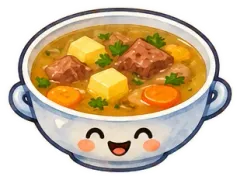
Flatbrød is a traditional side for several Norwegian dishes. It goes on the table with fårikål, the lamb and cabbage stew, with Norwegian beef soup and with cured meats. Some crumble it into the soup. Others keep it on the side, as something crisp beside something soft.
For a child, flatbrød may be easier dipped in the soup. The edge softens and picks up the taste of the broth. It is almost a different food.
An old bread
Flatbrød has been baked in Norway for hundreds of years. That is worth telling a child. It is bread that could get through a long winter without a fridge.
A child who finds it boring may get curious from that story. Nobody needs to end up liking it. But it is a good way to see how different bread can be.
Towards lefse
Flatbrød and lefse are related. Both are thin and baked on a griddle. Lefse is soft. Flatbrød is crisp. Some kinds of dry lefse look almost like flatbrød, until they are dampened and go soft again.
Flatbread is among the bread and baking in Mumse. A taste earns a star, crumbs or no crumbs. About Mumse.
 Norwegian beef soup
 Meat and potato stew
 Pea soup
 Lefse
 Fårikål
 Rice cakes