Potato
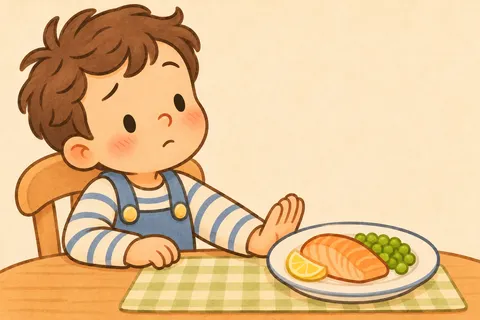
The potato is the mildest thing on the dinner table, and still plenty of children push it away. It is rarely the taste. It is the way it feels.
- Taste
- mild
- Texture
- soft, grainy, dry



Read aloud to your child
A potato grows underground as a lump on the roots of a green plant. You have to dig it up, like treasure. The skin is brown and a little rough, but inside it is pale and soft when cooked. The taste is mild and comforting, and it can become mash, fries and lots more. What shape is your potato?
Plain, and still difficult
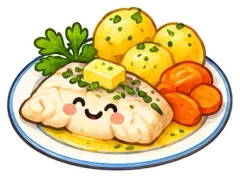
In Norway, potatoes turn up on the dinner table several times a week in many homes. Boiled with fish, mashed with sausages, fried in a pan. That makes the potato one of the first foods a child meets, and one of the first they can refuse. Parents are often surprised. How can anyone not like a potato?
Dry in the mouth
The answer is usually texture. A boiled potato, especially a floury one, is dry. It crumbles, sticks to the roof of the mouth and needs something wet to help it down. A child who has not yet learnt to mix it with sauce or butter is left with a mouthful of something that feels like flour.
That is why so many children like mash but not boiled potatoes, or chips and nothing else. It is not fussiness in any bad sense. It is a child who knows precisely what they like the feel of.
Many potatoes in one
The potato can become almost anything, which is handy. A child who has rejected one potato has not rejected them all. Think of them as separate foods:
- Boiled. Mild and dry. Waxy varieties are moister than floury ones.
- Mashed. Smooth or rough, depending on how much it is beaten. See sausage and mash.
- Oven-baked wedges. Crisp edges, soft middle. Close to chips, but made at home.
- Fried cubes. Golden and a little chewy on the outside.
- New potatoes. Early summer. Small, firm and almost sweet, with skin that rubs off.
It can help to put two kinds on the table at once, say boiled and roasted, and ask which feels nicer.
Digging for treasure
Potatoes grow underground, as tubers beneath a leafy green plant. Few things excite a child more than digging in the soil and finding potatoes like buried treasure. If you have a garden, a raised bed or a big bucket on the balcony, plant a few seed potatoes in spring and dig them up in summer.
A child who has dug up a potato has a different relationship with the one on their plate. And when you wash them together, they see that the potato was brown and muddy before it became white and soft.
From the Andes
Potatoes first came from the Andes in South America. They reached Norway in the 1700s, and it took a while before people were willing to eat them. Several priests grew them themselves and urged farmers to do the same, and became known as potato priests. Children like the idea that something so ordinary was once new and odd, and that grown-ups needed persuading too.
Peeling together
Peeling is a good job for a child big enough to hold a peeler. Boiled potatoes can also be peeled by hand once they have cooled a little. The skin slides off and reveals the pale potato inside. Plenty of children nibble a bit while they work.
Green patches on a potato are cut away.
When the potato stays on the plate
There is no need to fight over potatoes. They will be back tomorrow and next week. Leave them on the plate, eat your own, and offer a different kind another day. A child who sees potatoes often and gets to try them in peace usually finds a version they like.
Put potato on the shelf in Mumse and your child can collect stars for boiled potato, mash and wedges alike. It is the courage that counts, not how much got eaten.
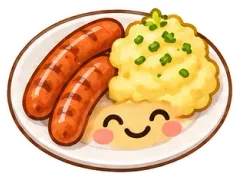 Sausage and mash
 Lompe
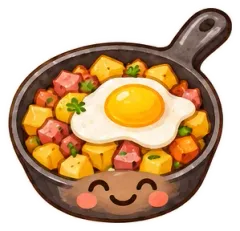 Potato hash
 Chips
 Meat patties