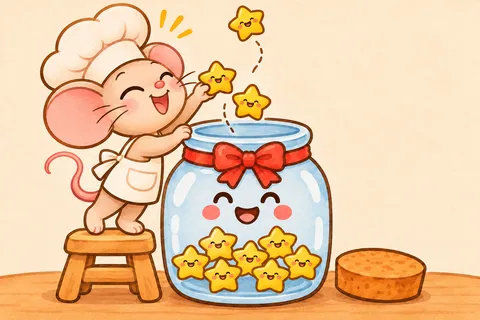
Chicken and rice
White rice, pale chicken. For a lot of children it's the dinner that always works. That's nothing to worry about, and it's a very good place to start.
- Taste
- mild, salty
- Texture
- soft, grainy, juicy



Read aloud to your child
Chicken and rice is a simple dinner that people eat all around the world. The chicken is tender and mild, and the rice is soft and white or golden. With a sauce it becomes a dish that is easy to chew. The chicken pieces can be small like dice or a bit bigger. Can you make a little pile of rice and put a piece of chicken on top?
Chicken and rice often goes down when little else does. It’s pale, mild and predictable. The rice tastes of almost nothing, the chicken of a little more. It’s easy to chew, and there’s no skin, seed or stringy bit waiting to surprise anyone.
Small children are often more cautious about strongly coloured food than pale food, and it’s not hard to see why. Green can mean bitter. Red can mean hot. White and beige rarely trick anybody.
A pale plate is a starting point
It’s tempting to read a steady diet of chicken and rice as a sign that something has gone wrong. Usually it hasn’t. Many children go through stretches of eating a handful of familiar dishes. The aim isn’t to take those away. It’s to let them stay while something new arrives quietly beside them.
Chicken and rice is well suited to that, because it has so many relatives. Nearly every food culture has its own version.
Change one thing
What tends to go badly is changing everything at once. A new sauce, a new spice and broccoli on top is three new things on one plate. Swap just one.
- The rice. A pinch of turmeric turns white rice yellow. The taste hardly changes, but the colour is new, and for some children that alone is a step.
- The chicken. Poached, fried and roasted chicken all taste different. Chicken thigh is darker and juicier than chicken breast.
- The sauce. Keep it in its own bowl. A mild curry sauce or a splash of soy is a step out, but your child decides how far.
- One vegetable. Peas, sweetcorn or a floret of broccoli on the side. Not stirred in.
Once something has been on the plate a few times, it becomes part of the safe plate. Then the next thing can come.
Rice isn’t just rice
The differences between kinds of rice are bigger than you’d think. Jasmine is soft and slightly clingy. Basmati is longer and drier, with grains that fall apart from each other. Brown rice is chewier. Pudding rice is round and sticks together in a lump.
For a child who likes rice, cooking two kinds and putting a small heap of each on the plate makes a decent tasting game. Which is sticky? Which can you pick up between two fingers? There’s more on the rice page.
When chicken and rice get company
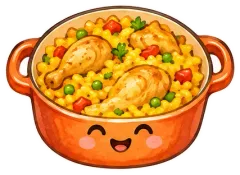
Many of the dishes children come to eat later are chicken and rice plus something. Sweet and sour chicken adds a glossy, sweet sauce. Chicken tikka masala is mild and creamy, with spices you can smell from the hall. Arroz con pollo cooks the two together in one pot, so the rice tastes of the chicken.
If chicken and rice is the safest food in your house, these dishes are a bridge. Your child already knows the chicken and the rice. The new part is only the sauce or the spice, which is a much smaller unknown than a whole new dish.
It takes time, usually more tries than adults expect. The guide on how many times a child needs to taste something goes into why.
In Mumse, chicken and rice is a food of its own among the dinners. It’s rarely where the bravery is needed. But the day the sauce lands on the rice for the first time is a very good reason for a star.
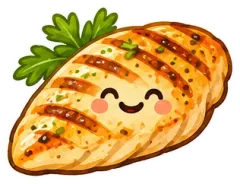 Chicken breast
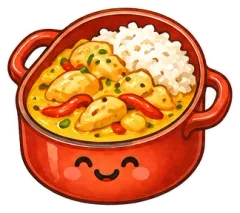 Chicken stew
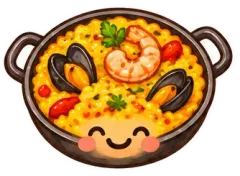 Paella
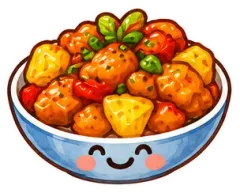 Sweet and sour chicken
 Chicken thigh