Water
Clear, cold and almost tasteless. Even so, plenty of children turn water down. It may have more to do with the temperature, the cup and the mood than with the water itself.
- Taste
- mild
- Texture
- smooth



Read aloud to your child
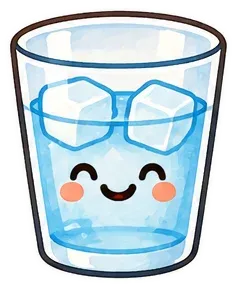
Water is clear, cold and has no taste, and it runs from the tap. It is what we drink when we are thirsty, and it is what falls from the sky as rain. Feel how cold and fresh it is in your mouth. Water can be liquid, solid like ice, or an invisible steam. Did you know that water can change shape?
“It doesn’t taste of anything.” That is a common reason for not wanting water. In a way it is right. But water does not taste of nothing, and it certainly does not feel the same every time. That is a place to start.
Water is not just water
Tap water at home, at a holiday cabin, at the grandparents’ and at nursery all taste slightly different. That is down to the minerals in it, and to the pipes and the cup. In some places the water is soft and almost flat in taste, in others it has a bit more body. Adults rarely notice. Some children do.
Temperature matters even more. Ice-cold water feels fresh and almost sharp. Lukewarm water that has sat in a bottle in the car tastes flat and a bit odd. A child who has been given a lot of lukewarm water may have decided that water is boring.
Taste the water
It sounds strange, but water can be tasted. Put out three glasses: one straight from a cold tap, run until it is properly chilled. One that has stood on the counter for a while. One with ice. Let your child sip from all three and say which they liked. Add a glass of sparkling water and you have four.
Finishing the glass is not the goal. The point is that water becomes something you can have an opinion about, not just something that sits there.
Small things that help
Often it is the setting around the water that decides it.
- Their own bottle or cup, chosen by them.
- Pouring from a small jug. Children tend to drink what they poured.
- A straw. It is a small thing, but some children drink more through one.
- Ice cubes with a raspberry or a blueberry frozen inside.
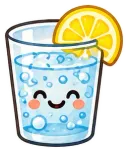
- A slice of cucumber or a wedge of lemon in the jug. The water picks up a faint smell and a new look.
None of this is a trick to fool your child. It is just ways of making water a little more interesting.
Don’t nag
Water is the easiest drink to nag about. It rarely helps. A child who hears “have some water now” many times a day learns that water is something adults want. Put the glass out instead, and drink from your own. Children watch what you do more than they listen to what you say.
If you are worried your child drinks too little, your health visitor or GP is the right person to ask.
Water in food
A lot of food is mostly water. Watermelon and cucumber are juicy because they are full of it. A child who will not drink water may still love feeling the watermelon run down their chin.
Water can be a game too. Freeze it in moulds and watch it turn to ice. Boil it and watch the steam. Let your child feel ice, cold water and lukewarm water with their fingers. The same water every time.
Other glasses on the table
Sparkling water is water with bubbles, and for some children the bubbles are what make it interesting. Milk is the other classic in the glass at dinner.
Water is among the drinks in Mumse. A star for tasting water might seem odd, but for a child who has decided water is boring, it is a real step.
 Milk
 Watermelon
 Cucumber
 Tea
 Ice lolly