Chocolate
Brown, glossy and with a little snap. Milk and dark chocolate look almost identical, but one is sweet and the other is bitter. That makes for one of the simplest tasting experiments there is.
- Taste
- sweet, bitter
- Texture
- smooth, creamy




Read aloud to your child
Chocolate is made from cocoa beans that grow on trees in warm countries. The beans are roasted, ground and mixed with sugar and milk into a brown, smooth bar. It melts in your hand and on your tongue, and it smells sweet and warm. Feel how it snaps at first and then turns soft and sticky. How long can you let it melt?
Put two squares on a plate. One from an ordinary bar of milk chocolate, one from a dark bar with 70 per cent printed on the wrapper. They look nearly the same. Brown, shiny, the same snap. Yet they taste very different, and that is worth showing to a child who is quite sure they already know what chocolate is.
Pods on the trunk
Chocolate starts as cocoa beans. They sit inside large, ridged pods that grow straight off the trunk of the cacao tree, in hot countries near the equator. The beans are fermented, dried, roasted and ground into a thick brown paste. That paste is mixed with cocoa butter, the fat from the bean, and sugar. Milk chocolate gets milk as well.
The percentage on the wrapper tells you how much of the bar comes from the bean. The higher the number, the less sugar and the deeper and more bitter the taste. White chocolate has the cocoa butter but none of the brown paste, so it is pale and tastes mostly of milk and vanilla.

Listen for the snap
A good bar breaks with a small, dry crack. Hold a square by your child’s ear and snap it. Then put it on the tongue and do not chew. Cocoa butter melts just below body temperature, so the chocolate goes from hard to soft to liquid on its own.
It is a useful way to taste, especially for children who usually chew and swallow in a hurry. How long can you hold off chewing? Does the taste change as it melts? Dark chocolate often does. It can start out almost sweet and finish bitter.
The same property explains chocolate in pockets and on fingers. Brown hands are not a sign that anything went wrong.
Dark is its own taste
Plenty of children spit out the dark square. It is bitter, slightly drying and far less sweet than they expected. That is no surprise. Bitter is a taste many children need many encounters with, and dark chocolate is bitter on purpose.
There is no reason to push. But it is a good moment to talk about taste. Is it bitter like coffee, or in a different way? Can you find anything that reminds you of berries, or nuts? Adults who love dark chocolate describe it with words like that, and children can try them out too.
You can go in steps. Milk chocolate first, then one with a slightly higher percentage, then the dark one. Or start with a pinch of plain cocoa powder from the tin, which is even more bitter, and work the other way.
Not only in bars
Chocolate also comes in cups, cakes and puddings. The taste is the same, but it feels different warm and runny, or baked into something light. Some children who find a bar too much are happy with a thin chocolate sauce. Others are the opposite.
Chocolate does not have to be something you get for tasting something else. It can be one taste among many, and that makes it easier to talk about as food.
Close to chocolate
Hot chocolate is the drinkable version, and you can really taste the bitterness in the powder. Chocolate cake bakes the same taste into something soft. Grilled banana with chocolate serves it melted and warm, and the Norwegian kokosbolle wraps a thin chocolate shell around something else entirely.
Chocolate is among the sweets in Mumse, with a short passage about cocoa beans to read aloud. Your child earns a star for tasting the dark square, even when the thumb points down. When the jar is full of stars a reward is waiting, and it is never sweets.
 Hot chocolate
 Chocolate cake
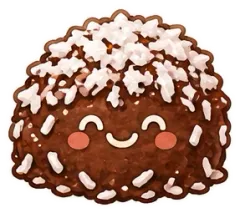 Chocolate marshmallow treat
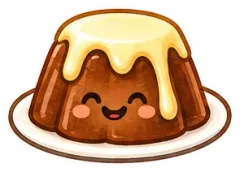 Chocolate pudding
 Grilled banana with chocolate
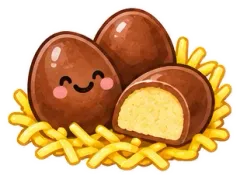 Marzipan egg